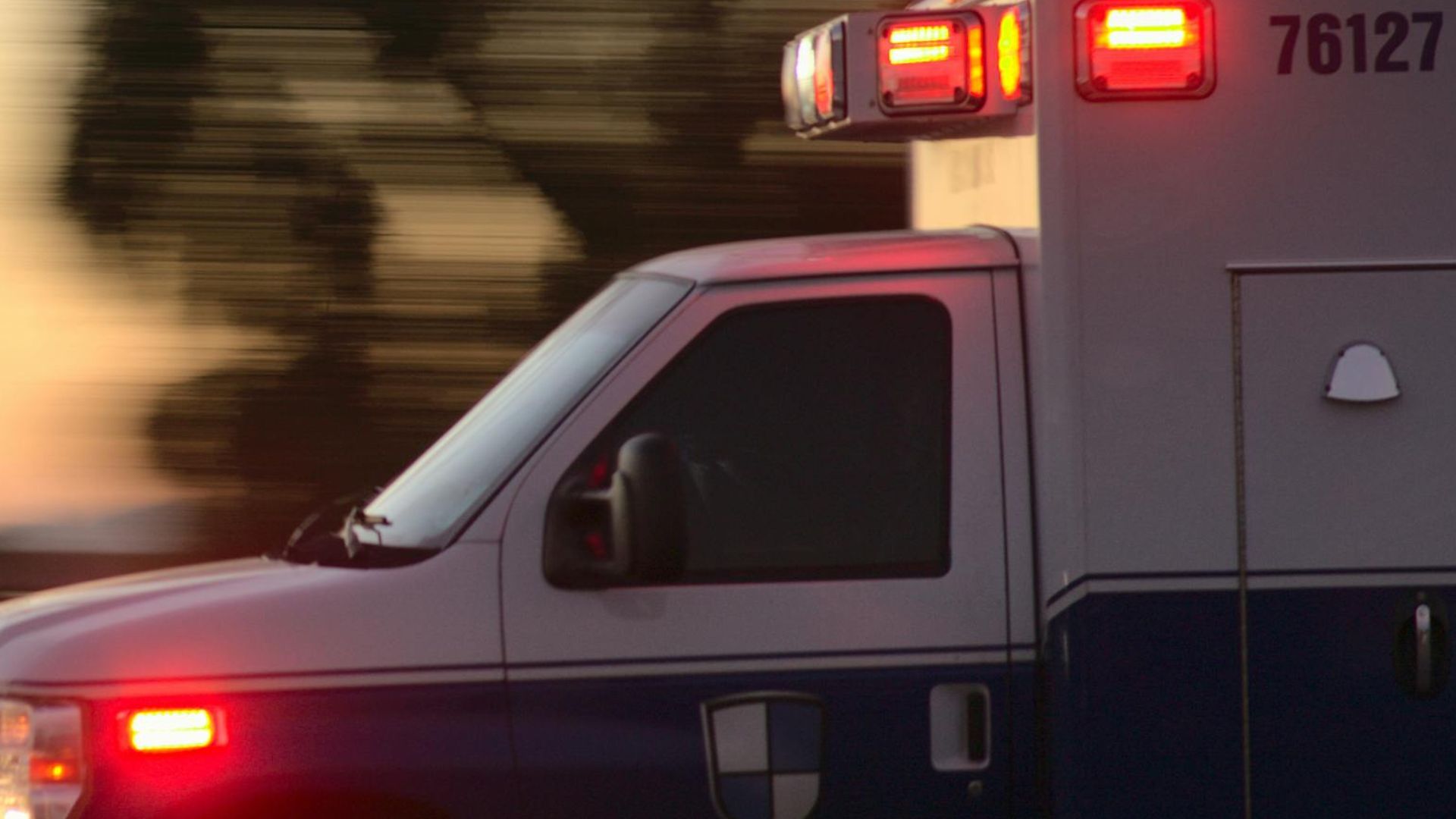
In a city as fast-paced and densely populated as New York City, emergencies happen every single day. Ambulances, firefighters, and police respond quickly, but even in a city with world-class emergency services, there is one truth that cannot be ignored. The first person on the scene is almost always a bystander. That is why having CPR Certification is not just helpful in NYC. It is essential.
When a cardiac emergency occurs, the clock starts immediately. Brain damage can begin within minutes, and survival often depends on how quickly someone nearby takes action. Before the sirens arrive, before professionals step in, it is the bystander who becomes the first responder. Understanding this reality changes how we think about emergency preparedness in a city like New York.
Why Every Second Matters in Cardiac Emergencies
Cardiac arrest is one of the most time-sensitive emergencies a person can experience. It happens when the heart suddenly stops beating effectively, cutting off blood flow to the brain and vital organs.
Without immediate intervention, survival chances drop rapidly with each passing minute. Waiting for emergency services alone is often not enough.
In New York City, where traffic, crowds, and building access can delay response times, those early minutes are even more critical. Bystanders who are trained in CPR can step in immediately and begin life-saving care.
Immediate action can:
- Maintain blood circulation
- Preserve brain function
- Increase survival rates
- Stabilize the individual until help arrives
This is why bystander CPR is so important.
The Reality of Emergency Response in NYC
New York City has one of the busiest emergency response systems in the world. Thousands of calls are made every day, and first responders work tirelessly to reach those in need.
However, even with fast response times, there are unavoidable delays:
- Traffic congestion
- High-rise buildings
- Large crowds
- Complex building access
- Simultaneous emergency calls
These factors mean that the first person to respond is often someone already on the scene.
That person could be a coworker, a passerby, a friend, or even you.
What Is Bystander CPR
Bystander CPR refers to life-saving actions taken by someone who is not a medical professional but has been trained to respond in emergencies.
This includes:
- Recognizing cardiac arrest
- Calling for emergency help
- Performing chest compressions
- Providing rescue breaths if trained
- Using an AED if available
Bystander CPR bridges the gap between the onset of an emergency and the arrival of professional responders.
In NYC, this gap can be the difference between life and death.
Why Bystander CPR Is Often the First Line of Defense
In many cases, bystanders are present when an emergency occurs. This is especially true in a city like New York, where people are constantly surrounded by others.
Whether in a subway station, office building, restaurant, or park, there is almost always someone nearby.
The challenge is not the lack of people. It is whether those people are prepared to act.
CPR training empowers individuals to:
- Recognize emergencies quickly
- Overcome hesitation
- Take immediate action
- Provide effective care
Without this training, many bystanders may feel unsure or afraid to step in.
The Impact of Immediate CPR on Survival Rates
Studies have shown that immediate CPR can significantly improve survival rates in cardiac emergencies.
When CPR is started right away, it helps maintain blood flow to the brain and heart. This increases the chances that advanced medical care will be successful once it arrives.
In contrast, delays in care can lead to:
- Irreversible brain damage
- Reduced survival chances
- More severe long-term complications
For NYC residents, this highlights the importance of having trained individuals in every community.
Common Places Where Bystander CPR Happens in NYC
Emergencies can occur anywhere, but certain locations in New York City see higher volumes of incidents.
These include:
- Subway stations
- Office buildings
- Restaurants and cafes
- Parks and public spaces
- Gyms and fitness centers
- Residential buildings
In each of these settings, bystanders are often the first to notice something is wrong.
Having CPR-trained individuals in these environments increases the likelihood of a positive outcome.
Breaking the Fear of Taking Action
One of the biggest barriers to bystander CPR is fear. Many people worry about doing something wrong or making the situation worse.
CPR training helps overcome this fear by providing clear instructions and hands-on practice.
Participants learn:
- What cardiac arrest looks like
- How to perform compressions correctly
- How to stay calm under pressure
- When and how to call for help
This knowledge builds confidence and reduces hesitation.
In a city like NYC, where emergencies can happen in crowded public spaces, overcoming this fear is critical.
The Role of AEDs in Public Spaces
Automated external defibrillators, or AEDs, are commonly found in public areas throughout New York City.
These devices are designed to be used by bystanders and provide step-by-step instructions.
CPR training often includes guidance on how to use an AED effectively.
Using an AED along with CPR can:
- Restore a normal heart rhythm
- Increase survival chances
- Provide critical support until responders arrive
Knowing how to use these devices adds another layer of preparedness.
How CPR Training Empowers Everyday People
CPR training transforms ordinary individuals into capable responders. It provides the skills needed to take action in critical moments.
For NYC residents, this means:
- Being prepared at work
- Being ready in public spaces
- Protecting friends and family
- Supporting the community
Training turns uncertainty into confidence and hesitation into action.
Who Should Learn CPR in NYC
In a city like New York, everyone can benefit from CPR training.
This includes:
- Office workers
- Teachers and school staff
- Fitness professionals
- Restaurant employees
- Security personnel
- Parents and caregivers
- Commuters and residents
The more people who are trained, the stronger the community becomes.
How to Get CPR Certified in NYC
Getting certified is a simple and accessible process.
- Choose a CPR training program
- Select a class that fits your schedule
- Attend the training session
- Complete hands-on practice
- Receive certification upon completion
Many training providers in NYC offer flexible scheduling options, including evening and weekend classes.
The most important factor is choosing a course that includes hands-on training.
CPR Certification Cost in NYC
The cost of CPR training can vary depending on the program and provider. Most courses are affordable and provide significant value.
For individuals, this is an investment in safety and preparedness.
The ability to respond to emergencies is one of the most valuable skills you can have.
Why Ongoing Training Is Important
CPR skills should be refreshed regularly. Certification typically lasts for two years.
Ongoing training ensures that:
- Skills remain sharp
- Knowledge stays current
- Confidence remains high
- Techniques reflect current guidelines
For NYC residents, staying up to date is essential.
Building a More Prepared Community
When more people are trained in CPR, the entire city becomes safer. Communities with higher rates of bystander CPR see better outcomes in emergencies.
In New York City, this means:
- Faster response times
- Increased survival rates
- Greater public confidence
- Stronger community support
CPR training is not just an individual benefit. It is a community-wide investment.
The Responsibility of Being a Bystander
In a city filled with people, the chances of witnessing an emergency are higher than in many other places.
Being a bystander comes with a choice. You can either watch and wait or step in and help.
CPR training ensures that you are ready to take action.
For NYC residents, this responsibility is part of living in a connected and active community.
Final Thoughts About Bystander CPR in NYC
Emergencies do not wait for sirens. They begin in the moments before help arrives, when bystanders have the opportunity to act.
Getting CPR Certification ensures that you are ready to step into that role and provide life-saving care when it matters most.
In New York City, where every second counts, bystander CPR truly is the first responder.
CPR Certification FAQs
What is bystander CPR?
Bystander CPR is life-saving care provided by someone who is not a medical professional but has been trained to respond in emergencies.
How long does CPR certification last?
CPR certification typically lasts for two years before renewal is required.
Can anyone learn CPR?
Yes, CPR training is designed to be accessible and can be learned by people of all backgrounds.
How long does a CPR class take?
Most CPR classes can be completed in a few hours.
Can I get certified the same day?
Yes, many training programs offer same-day certification after completing the course.