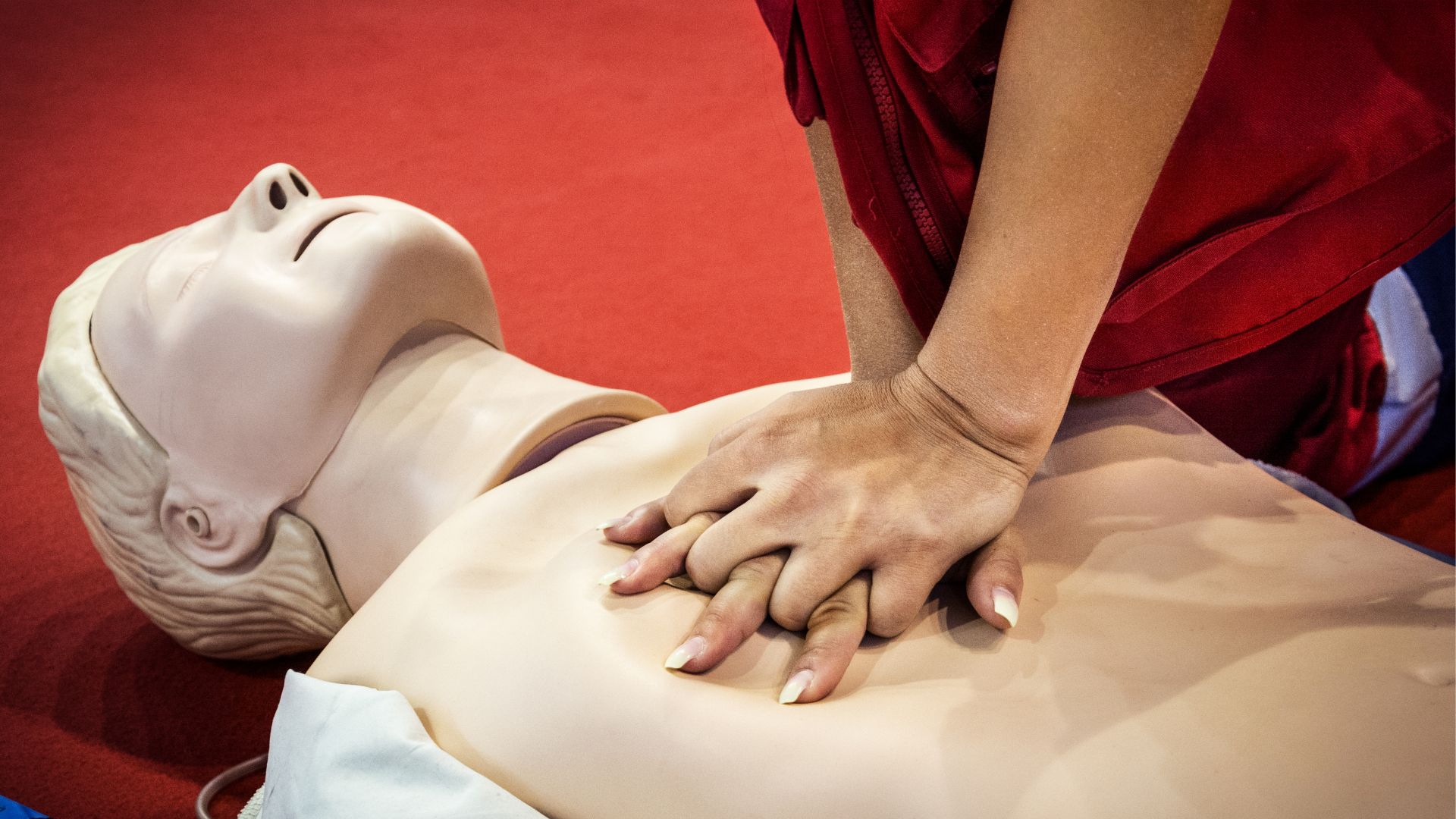
New York City is one of the busiest and most densely populated places in the world. Millions of people ride the subway, work in office buildings, attend schools, visit parks, and gather at events every single day. With so many people living and working close together, medical emergencies can happen virtually anywhere. Sudden cardiac arrest, choking incidents, allergic reactions, and other life-threatening situations often occur without warning, making immediate action critical.
While many people assume CPR certification is only necessary for doctors and nurses, the reality is much broader. Numerous professions either require or strongly encourage CPR certification because employees may be responsible for protecting the public or responding to emergencies before EMS arrives. Through CPR Certification, New Yorkers can gain the practical, hands-on skills needed to act confidently when every second matters.
Whether required for your career or pursued for personal preparedness, CPR certification is one of the most valuable skills anyone in New York City can have.
Healthcare Professionals
Healthcare workers are among the most common professionals required to maintain current CPR certification.
Positions that typically require CPR certification include:
- Physicians
- Registered nurses
- Licensed practical nurses
- Medical assistants
- Dental assistants
- Dental hygienists
- Physical therapists
- Occupational therapists
- Respiratory therapists
- Surgical technicians
- Certified nursing assistants
- Home health aides
Many healthcare employers require Basic Life Support (BLS) certification before employees begin patient care duties because emergencies can occur in hospitals, clinics, dental offices, and outpatient facilities.
Teachers and School Staff
Schools are responsible for the safety of hundreds or even thousands of students every day.
Teachers, administrators, and school staff may encounter emergencies involving:
- Choking
- Asthma attacks
- Allergic reactions
- Sports injuries
- Cardiac emergencies
Many educational institutions encourage or require CPR certification for employees, particularly those working directly with younger children or athletic programs.
In a city as large as NYC, having CPR-trained educators helps create safer schools and stronger communities.
Childcare Providers and Babysitters
Parents trust childcare providers with the safety and well-being of their children.
Professionals who often need CPR certification include:
- Daycare workers
- Nannies
- Babysitters
- Preschool teachers
- Nursery staff
- Summer camp counselors
Infants and young children face unique risks, including choking and breathing emergencies. CPR certification helps caregivers respond quickly while waiting for emergency medical services.
Fitness Professionals and Coaches
Gyms, fitness centers, and sports facilities throughout New York City welcome thousands of visitors every day.
Personal trainers, coaches, and fitness instructors may encounter emergencies involving:
- Cardiac arrest
- Heat exhaustion
- Dehydration
- Choking
- Sports injuries
Many gyms and athletic organizations require staff members to maintain current CPR certification because physical activity can occasionally trigger unexpected medical events.
Lifeguards and Swim Instructors
Although New York City is known for its skyline, it also offers numerous pools, beaches, and recreational water facilities.
Lifeguards and swim instructors are expected to respond to:
- Drowning incidents
- Respiratory emergencies
- Cardiac arrest
- Spinal injuries
CPR certification is a fundamental requirement for these positions because immediate intervention can dramatically improve survival outcomes.
Police Officers, Firefighters, and Security Personnel
Public safety professionals are often the first people to arrive during emergencies.
Many first responders maintain CPR certification, including:
- Police officers
- Firefighters
- Security guards
- Correctional officers
- Emergency responders
Their ability to provide immediate care helps stabilize victims until advanced medical teams arrive.
Flight Attendants and Transportation Workers
New York City’s airports and transportation systems serve millions of travelers annually.
Flight attendants and certain transportation professionals often maintain CPR certification because they may need to respond to emergencies while passengers are far from immediate medical assistance.
In-flight and transit emergencies can include:
- Cardiac arrest
- Choking
- Seizures
- Allergic reactions
- Loss of consciousness
Construction Workers and Skilled Trades
Construction remains one of the most physically demanding industries in New York City.
Workers may face hazards involving:
- Falls
- Electrical accidents
- Heavy equipment injuries
- Heat illness
- Cardiac events
Many employers value CPR certification because trained workers can provide immediate assistance while waiting for emergency responders.
Social Workers and Caregivers
Social workers and caregivers often assist vulnerable populations, including elderly individuals and people with disabilities.
Medical emergencies can occur during:
- Home visits
- Assisted living care
- Community outreach
- Hospice support
CPR certification helps these professionals feel prepared to respond if a client experiences a serious medical event.
Hospitality and Event Staff
Restaurants, hotels, entertainment venues, and event spaces are a major part of New York City’s economy.
Large crowds naturally increase the likelihood of unexpected emergencies.
Many employers appreciate staff members who possess CPR certification because they can help protect:
- Guests
- Coworkers
- Vendors
- Performers
- Event attendees
Being prepared to assist during a medical emergency adds tremendous value in customer-facing roles.
Parents and Grandparents
CPR certification is not only for professionals.
Many cardiac arrests and choking emergencies happen at home, making parents and grandparents some of the most important people to have CPR training.
Families may benefit from learning how to respond to:
- Infant choking
- Child drowning incidents
- Allergic reactions
- Sudden cardiac arrest
- Breathing emergencies
Training through CPR Certification helps families gain peace of mind and confidence in their ability to help loved ones during emergencies.
College Students and Resident Assistants
New York City is home to numerous colleges and universities.
Resident assistants, student leaders, and campus staff often pursue CPR certification because they may encounter emergencies involving:
- Student health crises
- Athletic injuries
- Alcohol-related incidents
- Cardiac emergencies
Having trained students on campus helps strengthen overall emergency preparedness.
Volunteers and Community Leaders
Many volunteer organizations encourage CPR training, especially for those involved with:
- Youth programs
- Community events
- Religious organizations
- Disaster relief efforts
- Nonprofit outreach
The more trained individuals within a community, the greater the chance that someone nearby can provide immediate assistance during an emergency.
Why CPR Certification Is Valuable Even If It Is Not Required
Even if your profession does not specifically require CPR certification, the skills can still make a tremendous difference.
Cardiac arrest can happen anywhere:
- At work
- On the subway
- In a restaurant
- At a concert
- During a family gathering
- At the gym
CPR certification provides the confidence to step forward and help when others may hesitate.
Many employers also view CPR certification as a valuable additional qualification because it demonstrates responsibility, leadership, and preparedness.
Hands-On Training Makes the Difference
Quality CPR education involves more than simply reading instructions online.
Hands-on classes allow students to practice:
- Chest compressions
- Rescue breathing
- AED operation
- Choking response
- Emergency scene assessment
Practical experience helps build the muscle memory and confidence needed during real emergencies.
Programs offered through CPR Certification help New Yorkers prepare for situations that require calm thinking and immediate action.
Final Thoughts About CPR Certification in NYC
In a city as large and active as New York, emergencies can happen virtually anywhere. While healthcare workers, teachers, childcare providers, fitness professionals, and first responders often require CPR certification for their careers, the truth is that anyone can benefit from learning these life-saving skills.
Through CPR Certification, NYC residents gain the hands-on training needed to recognize emergencies, perform CPR, use an AED, and provide immediate assistance until professional help arrives. Whether you need certification for your job or simply want to protect your family and community, CPR training is an investment that can make a life-saving difference.
Frequently Asked Questions About CPR Certification in NYC
Who is required to have CPR certification in NYC?
Healthcare workers, many teachers, childcare providers, fitness professionals, lifeguards, and certain public safety personnel commonly need CPR certification for their jobs.
Do nurses and doctors need CPR certification?
Yes. Most healthcare employers require physicians, nurses, and many other medical professionals to maintain current BLS or CPR certification.
Do teachers need CPR certification?
Many schools encourage or require CPR training, particularly for physical education teachers, coaches, and staff working with younger children.
Is CPR certification required for personal trainers?
Many gyms and fitness organizations require trainers and instructors to maintain CPR certification because of the physical nature of their work.
Can parents benefit from CPR training?
Absolutely. CPR training helps parents and grandparents prepare for emergencies involving infants, children, and other family members.
How long does CPR certification last?
Most CPR certifications remain valid for two years before renewal is recommended or required.
Does CPR training include AED instruction?
Yes. Most comprehensive CPR courses include instruction on using an Automated External Defibrillator during cardiac emergencies.
Is CPR certification useful even if my job does not require it?
Yes. Medical emergencies can happen anywhere, and CPR training gives you the confidence and skills to help save a life when every second counts.