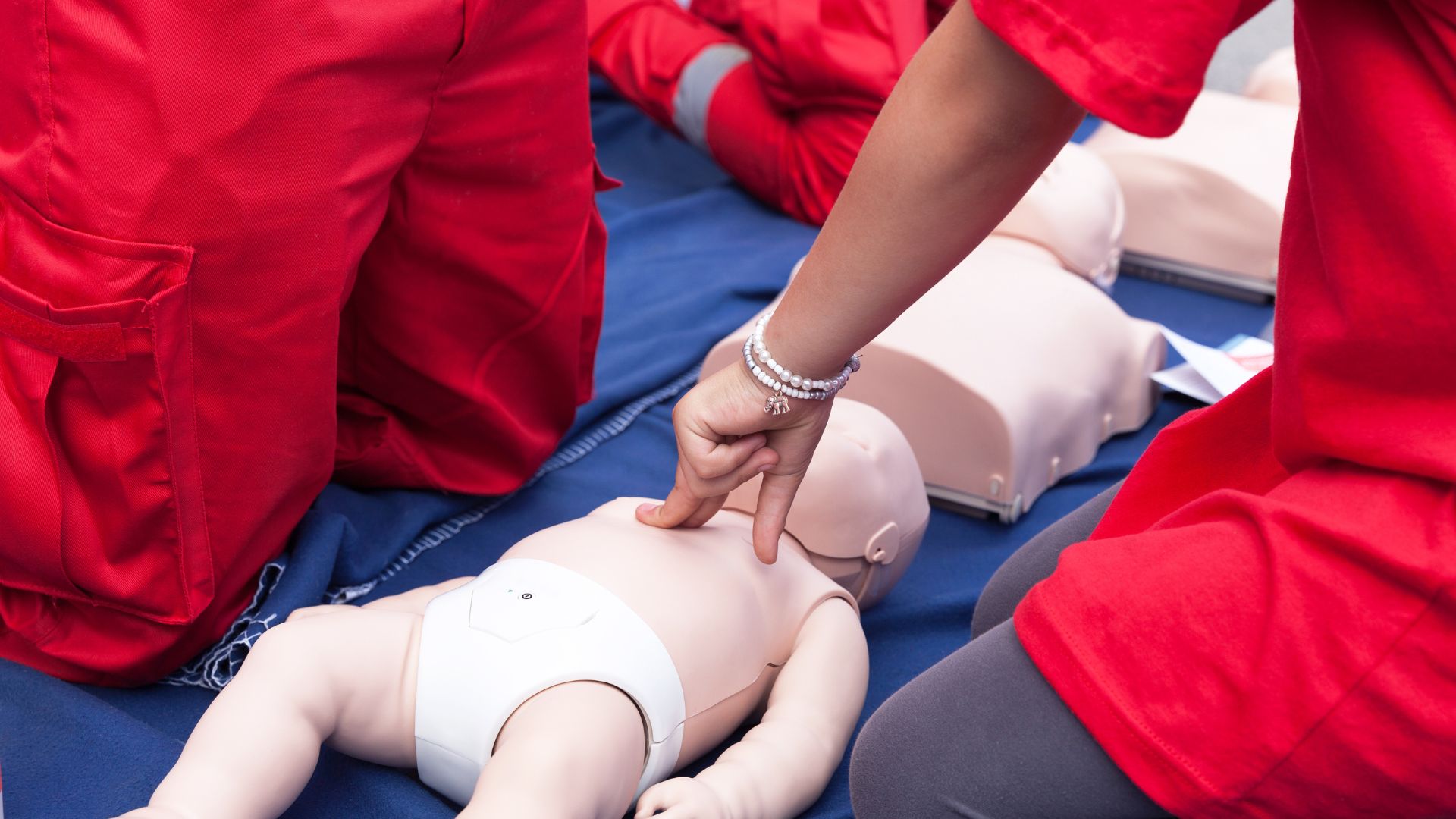
Becoming a parent is one of life’s most rewarding experiences, but it also comes with significant responsibilities. From the moment a baby arrives, parents are responsible for providing care, protection, and support every day. While most parents spend time preparing nurseries, purchasing baby gear, and learning about feeding and sleep schedules, many also recognize the importance of preparing for emergencies.
Infants are naturally vulnerable because they depend entirely on adults for their safety and well-being. Unlike older children, babies cannot communicate what they are feeling or explain when something is wrong. This reality can make emergency situations especially stressful for parents and caregivers. Understanding how to respond when a baby experiences a medical emergency can help reduce panic and improve confidence during critical moments.
In a fast-paced city like New York, parents often juggle demanding schedules, crowded environments, and busy family lives. While emergency medical services provide critical support throughout the city, emergencies can occur anywhere, including at home, in parks, restaurants, childcare facilities, and public transportation settings. For many families, enrolling in a CPR Certification course is one of the most valuable steps they can take to prepare for unexpected situations involving infants.
Why Infant Emergency Preparedness Matters
Many parents never expect to face a serious medical emergency involving their child. Fortunately, most families never experience one. However, preparation provides peace of mind and helps parents feel more confident in their ability to respond if an emergency does occur.
Infants are constantly developing and exploring the world around them. As they grow, they begin reaching for objects, putting items in their mouths, rolling over, crawling, and eventually walking. Each stage of development introduces new safety considerations.
Emergency preparedness helps parents:
- Feel more confident caring for their child
- Understand how to recognize emergencies
- Learn how to respond under pressure
- Support household safety planning
- Improve overall family preparedness
The goal is not to create fear but to provide practical knowledge that supports responsible caregiving.
Why Infant CPR Differs From Adult CPR
Many people assume CPR techniques are the same for everyone, but emergency response procedures vary depending on age.
Infants have unique physical characteristics that require specialized approaches. Their bodies are smaller, their airways are more delicate, and their developmental needs differ significantly from those of adults and older children.
Because of these differences, infant CPR training focuses specifically on techniques designed for babies under one year of age.
Training often emphasizes:
- Infant emergency recognition
- Infant CPR procedures
- Airway awareness
- Choking emergencies
- Emergency response considerations
- Communication with emergency services
These specialized skills help parents better understand how emergency response differs for infants.
Choking Emergencies Are a Major Concern for Parents
One of the most common reasons parents pursue infant CPR training is concern about choking emergencies.
Babies explore their environment using their hands and mouths. As they begin eating solid foods and interacting with toys, household items, and other objects, the potential for choking incidents increases.
Common choking hazards may include:
- Certain foods
- Small toys
- Household objects
- Coins
- Buttons
- Batteries
- Small accessories
Parents who understand choking prevention and emergency response procedures often feel more confident supervising infants during feeding and play activities.
Awareness and preparation help support a safer environment at home.
Living in NYC Presents Unique Parenting Challenges
New York City offers families access to world-class healthcare, educational opportunities, and community resources. However, parenting in a large city also comes with unique challenges.
Parents often navigate:
- Crowded public spaces
- Apartment living
- Public transportation
- Busy schedules
- Shared childcare responsibilities
- Urban recreation environments
Because families spend time in a variety of settings throughout the city, emergencies may occur outside the home.
Preparedness helps parents feel more confident regardless of where they are when an unexpected situation arises.
Understanding Common Infant Emergencies
While serious emergencies are relatively uncommon, parents should be familiar with situations that may require immediate attention.
Examples include:
- Choking incidents
- Breathing difficulties
- Allergic reactions
- Sudden illnesses
- Falls
- Water-related incidents
- Medical emergencies involving underlying conditions
Recognizing warning signs early often allows parents to seek appropriate assistance more quickly.
Awareness remains one of the most important components of emergency preparedness.
Why Confidence Matters During Emergencies
One of the biggest challenges parents face during emergencies is managing stress and uncertainty.
When a child is involved, emotions naturally run high. Fear and panic can make it more difficult to think clearly and respond effectively.
Training helps build confidence by providing structured opportunities to learn and practice emergency response skills.
Benefits of confidence include:
- Improved decision-making
- Greater ability to remain calm
- Better communication with emergency responders
- Increased preparedness
- Reduced hesitation during emergencies
Many parents report feeling more comfortable caring for their children after completing emergency preparedness training.
Childcare Providers and Family Members Also Benefit
Parents are not the only individuals who care for infants.
Many families rely on:
- Grandparents
- Babysitters
- Nannies
- Childcare providers
- Relatives
- Family friends
Because multiple caregivers may be responsible for a child throughout the week, many parents encourage others involved in childcare to learn emergency response skills as well.
Having multiple prepared caregivers creates additional layers of safety and preparedness for the family.
Emergency Preparedness at Home
Many infant emergencies occur in the home environment.
Parents can improve household safety by focusing on prevention and preparedness.
Helpful strategies may include:
- Childproofing living spaces
- Keeping choking hazards out of reach
- Creating emergency contact lists
- Maintaining first aid supplies
- Reviewing emergency procedures
- Supervising infants closely
Preparation helps reduce risks while also improving readiness if an emergency occurs.
The combination of prevention and preparedness provides a strong foundation for infant safety.
Why Every Parent Should Understand Emergency Response
Emergency preparedness is not only about responding to serious incidents. It is also about developing awareness and confidence.
Parents who understand emergency response principles often feel more capable of handling unexpected situations. Even if they never need to use those skills, the knowledge itself can provide peace of mind.
Parenting involves countless responsibilities, and emergency preparedness is one way families can proactively support their child’s safety.
Being prepared helps parents focus on enjoying their child’s growth and development while knowing they have taken steps to improve readiness.
The Importance of Hands-On Learning
Many parents find that hands-on learning helps them better understand emergency response concepts.
Reading information online can be valuable, but practical instruction often provides opportunities to ask questions, practice skills, and gain familiarity with emergency procedures.
Benefits of hands-on training often include:
- Increased confidence
- Better retention of information
- Opportunities for practice
- Direct instructor feedback
- Greater comfort with emergency response techniques
These experiences can help parents feel more prepared when caring for infants.
Building a Safer Community for Children
Prepared parents contribute to safer communities.
When more caregivers understand emergency response principles, neighborhoods, childcare settings, schools, and community organizations all benefit.
Emergency preparedness creates opportunities for families to support one another and promote a culture of safety.
The more individuals who invest in preparedness, the stronger and more resilient communities become.
This collective approach helps create safer environments for children throughout New York City.
Why Infant CPR Training Is Valuable for NYC Parents
Parenthood comes with many joys, but it also requires preparation for unexpected situations. Infants depend on adults for their care, safety, and protection, making emergency preparedness an important consideration for families. While no parent hopes to encounter a medical emergency, having the knowledge and confidence to respond can provide valuable peace of mind. Whether caring for a newborn, infant, or young child, enrolling in a CPR Certification class can help New York City parents strengthen their emergency preparedness, build confidence, and develop practical skills that support their family’s safety.
Frequently Asked Questions About Infant CPR for NYC Parents
Why is infant CPR training important for parents?
Infants have unique physical characteristics and emergency response needs. Training helps parents understand how to respond appropriately during emergencies involving babies.
Is infant CPR different from adult CPR?
Yes. Infant CPR uses techniques specifically designed for babies under one year of age and differs from procedures used for adults and older children.
What emergencies are parents most concerned about?
Many parents pursue training because of concerns about choking incidents, breathing difficulties, allergic reactions, and other medical emergencies.
Should grandparents and babysitters learn infant CPR?
Many families encourage anyone responsible for caring for an infant to participate in emergency preparedness training.
Can infant emergencies happen outside the home?
Yes. Emergencies can occur in parks, restaurants, childcare facilities, public transportation settings, and many other locations.
How does CPR training help parents?
Training helps improve confidence, increase emergency awareness, and provide practical knowledge that supports emergency preparedness and infant safety.