New York City is one of the busiest and most densely populated cities in the world. Millions of residents, commuters, and visitors move through the city every day, filling offices, restaurants, schools, parks, and public transportation systems. With so many people gathered in one place, the chances of witnessing a medical emergency are higher than in many other locations. That is why having CPR Certification can make a life changing difference for individuals living or working in NYC.
Cardiac emergencies and breathing incidents can happen without warning. A person may collapse in a subway station, office building, gym, or public park. In those first critical moments before emergency responders arrive, the actions of nearby bystanders can determine the outcome. Individuals who are trained in CPR have the ability to begin lifesaving care immediately, helping maintain blood circulation and oxygen flow to the brain until medical professionals arrive.
In a fast paced city like New York, being prepared to respond to emergencies is an important part of community safety.
Understanding Sudden Cardiac Arrest
Sudden cardiac arrest is one of the leading causes of death in the United States. It occurs when the heart suddenly stops beating effectively, preventing blood from circulating through the body. When this happens, the brain and other vital organs begin to lose oxygen.
Without immediate intervention, survival chances decrease rapidly. For every minute that passes without CPR, survival rates drop significantly. Emergency medical services can take several minutes to reach the scene, especially in large urban environments.
CPR helps bridge this critical gap by manually circulating blood through chest compressions. When someone with CPR Certification begins compressions immediately, it can double or even triple the chances of survival for a cardiac arrest victim.
In a city like NYC where emergencies may occur in crowded public areas, having trained individuals nearby can make a powerful difference.
Why CPR Training Is Especially Important in Large Cities
Urban environments present unique challenges when it comes to emergency response. While cities often have strong emergency services, the sheer size and population density can sometimes lead to delays.
In New York City, millions of people rely on public transportation systems, high rise buildings, and crowded venues. Emergencies can occur in subway stations, office complexes, sports arenas, or tourist attractions.
When a person collapses in these locations, bystanders are often the first people present. If someone nearby knows how to perform CPR, they can begin lifesaving care while others call emergency services.
CPR trained individuals play a crucial role in these situations. Their ability to recognize cardiac arrest and begin chest compressions quickly can help stabilize the person until paramedics arrive.
CPR and AED Devices Work Together
Many public locations throughout NYC are equipped with automated external defibrillators. These devices are designed to analyze a person’s heart rhythm and deliver an electrical shock if necessary to restore a normal heartbeat.
AED devices are commonly found in places such as:
- Airports and train stations
- Office buildings
- Schools and universities
- Fitness centers and sports venues
- Shopping centers and entertainment venues
When CPR is combined with AED use, survival rates increase dramatically. CPR training programs often include instruction on how to recognize cardiac arrest and operate AED equipment safely.
People who complete CPR Certification learn how to identify AED devices in public spaces and use them when necessary. These devices provide step by step voice instructions that guide users through the process.
In a city filled with public spaces and busy environments, knowing how to perform CPR and use an AED can help save lives.
Everyday Situations Where CPR May Be Needed
Medical emergencies can occur in many everyday environments. In NYC, people encounter large crowds and high activity levels in both residential and professional settings.
Some situations where CPR may be needed include:
- A person collapsing in a subway station
- A cardiac emergency during exercise at a gym
- A medical emergency in an office building
- Someone losing consciousness at a restaurant or event
- A health emergency in a school or university setting
Because emergencies can happen anywhere, CPR training helps individuals become more prepared for unexpected situations.
Having more trained people in the community increases the chances that someone nearby can provide immediate assistance during a life threatening event.
CPR Training Builds Confidence
Many people hesitate to help during emergencies because they are unsure what to do. CPR training helps eliminate that uncertainty by teaching clear steps for responding to cardiac arrest and breathing emergencies.
Training programs focus on recognizing symptoms, calling emergency services, and performing chest compressions with the proper rhythm and depth.
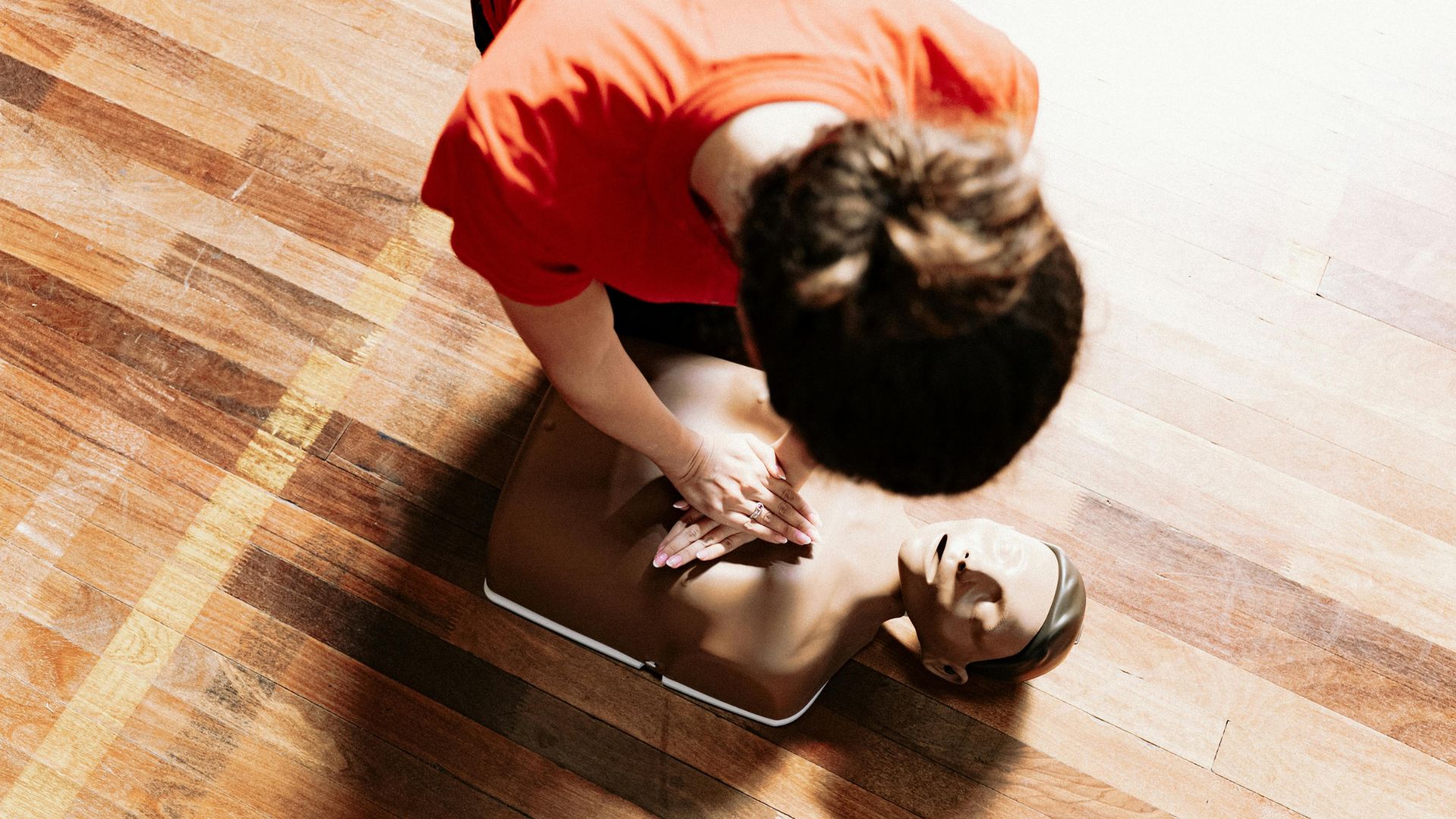
Hands on practice allows participants to develop confidence in their skills. By practicing compressions on training mannequins and reviewing emergency scenarios, individuals become more comfortable responding under pressure.
Completing CPR Certification helps people move from feeling unsure to feeling capable of helping when it matters most.
CPR Training for Workplaces and Public Spaces
Many workplaces in NYC encourage employees to learn CPR as part of their safety programs. Offices, restaurants, retail stores, and fitness facilities often train staff members to respond during emergencies.
Having employees trained in CPR creates safer environments for both workers and visitors. If a customer or coworker experiences a medical emergency, trained staff members can begin care immediately.
Public institutions such as schools and community centers also benefit from CPR trained staff members. Teachers, coaches, and administrators who understand emergency response procedures can help protect students and visitors.
By expanding access to CPR education, organizations help build stronger and safer communities.
Protecting Family and Friends
While CPR training is valuable in public settings, it can also make a significant difference at home. Many cardiac emergencies occur in residential environments, often involving family members.
Learning CPR means being prepared to assist loved ones if a health emergency occurs. Parents, siblings, spouses, or elderly relatives may need immediate assistance during cardiac or breathing emergencies.
Knowing how to perform CPR provides peace of mind. Individuals who are trained in emergency response understand how to take action quickly while waiting for professional medical help.
In a city where families live in close proximity and share busy daily routines, these skills can protect the people who matter most.
Building a Community Prepared to Help
When more individuals learn CPR, communities become stronger and more resilient. Every trained person adds another potential responder who can assist during emergencies.
In NYC, where millions of people interact each day, the presence of trained bystanders can have a powerful impact. CPR education programs encourage individuals to take responsibility for community safety.
People who complete CPR Certification become part of a network of individuals who are prepared to act during emergencies. Their willingness to help others reflects the spirit of cooperation that helps cities thrive.
Encouraging CPR training across neighborhoods, workplaces, and schools helps create safer environments for everyone.
Final Thoughts on the Importance of CPR Certification in NYC
Emergencies can happen at any time and in any location. In a city as active and populated as New York City, the presence of trained individuals can make a critical difference during medical emergencies. Completing CPR Certification provides the skills needed to recognize cardiac arrest, begin chest compressions, and assist others during life threatening situations.
Whether in a subway station, workplace, restaurant, or residential building, CPR trained individuals help strengthen the safety of their communities. Their ability to respond quickly during emergencies can mean the difference between life and death.
By learning CPR and maintaining certification, residents and workers in NYC can play an important role in protecting their families, coworkers, and fellow community members.
Frequently Asked Questions
What is CPR certification?
CPR certification is training that teaches individuals how to perform cardiopulmonary resuscitation during cardiac or breathing emergencies.
How long does CPR certification last?
Most CPR certifications remain valid for two years before requiring renewal.
Who should get CPR certified in NYC?
Anyone can benefit from CPR training, including teachers, coaches, parents, office workers, and community members.
Do CPR courses teach AED use?
Yes. Many CPR courses include instruction on how to use automated external defibrillators along with chest compressions and emergency response techniques.